
Standing Up Against Police Brutality & Abuse of Authority
Law enforcement officers are granted extraordinary legal authority to uphold the law and protect the public. However, when officers abuse that power—using unreasonable force, failing to intervene, or violating clear constitutional standards—the physical, emotional, and institutional harm is profound.
At Counsel Company, we represent victims and surviving families affected by official misconduct. We bring aggressive trial strategy, rigorous forensic investigation, and deep federal court litigation experience to hold individual officers and government entities accountable.
Key Areas of Police Misconduct Claims
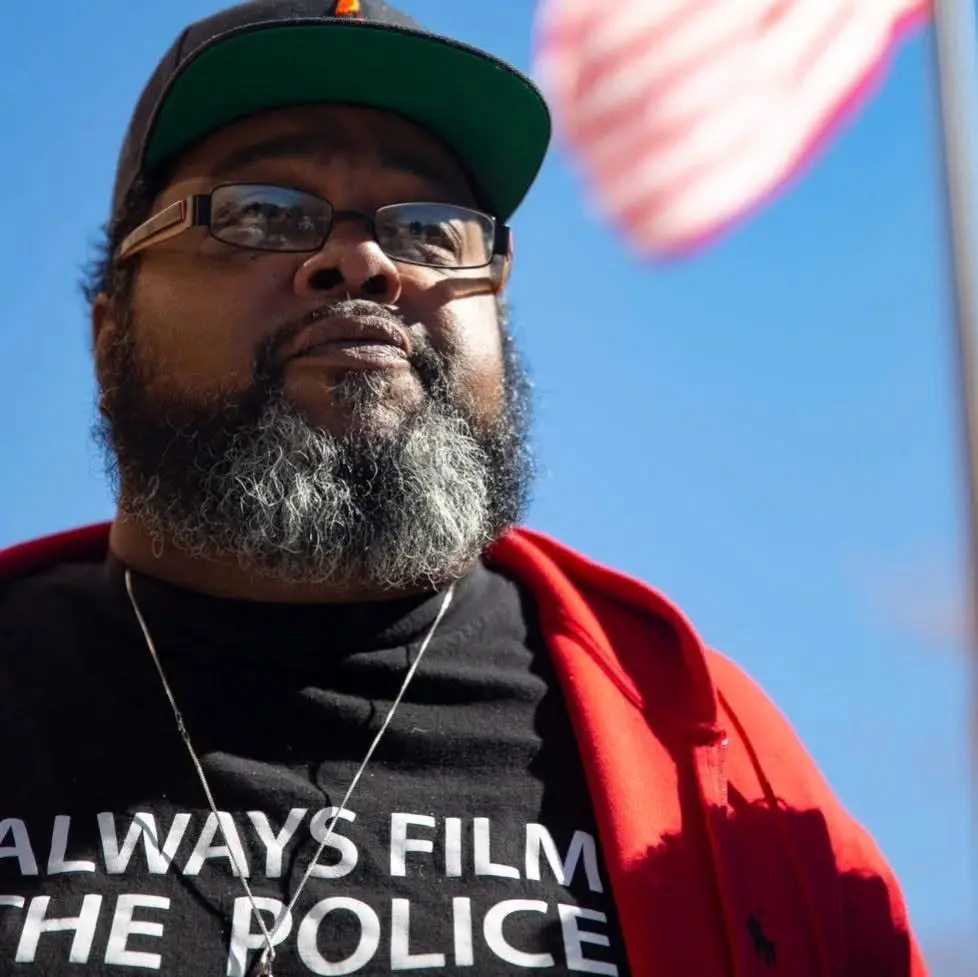
Investigative Rigor & Federal Trial Preparation
Police misconduct cases are intensely litigated and heavily defended by government attorneys. To prevail, we take immediate action to uncover the truth and dismantle qualified immunity defenses:
- 1Securing Critical Digital Evidence: We move fast to subpoena and preserve body-worn camera (BWC) footage, dashcam recordings, dispatch audio, bystander videos, and surveillance streams before records are altered or destroyed.
- 2
Reconstructing the Incident: We work alongside leading use-of-force experts, medical examiners, and biomechanical specialists to analyze weapon deployment, physical injuries, and officer tactics.
- 3
Exposing Systemic Patterns: We scrutinize internal affairs records, prior discipline histories, and department policy manuals to demonstrate systemic failure or deliberate indifference.
Frequently Asked Questions
Clear answers to common questions about law enforcement misconduct, officer accountability, and your legal rights.
What legally qualifies as excessive force by law enforcement? +
Under the Fourth Amendment, law enforcement officers are legally required to use only the amount of force that is "objectively reasonable" under the circumstances. Excessive force occurs when an officer applies force beyond what a reasonable officer would deem necessary given the immediate threat level, whether the individual is resisting, and the severity of the alleged crime.
What is Qualified Immunity, and can it stop my police misconduct claim? +
Qualified immunity is a legal defense that shields government officials from civil liability unless their actions violated clearly established constitutional or statutory rights. While defense attorneys routinely use qualified immunity to try to dismiss claims early, our firm specializes in defeating these motions through rigorous forensic evidence, expert testimony, and appellate advocacy.
How do I preserve body-cam footage and police records after an incident? +
Time is critical. Police departments often have strict internal schedules for purging dash-cam, body-worn camera (BWC), and audio recordings. Retaining an attorney immediately allows us to serve formal Spoliation of Evidence Letters and California Public Records Act (CPRA) demands to ensure all video, dispatch logs, and disciplinary files are legally preserved.
What is the deadline for filing a civil rights lawsuit against a city or county in California? +
Under the California Government Claims Act, state law claims against public entities require you to file a formal government claim within six (6) months of the incident. Federal Section 1983 civil rights claims generally follow California's two-year personal injury statute of limitations, but missing the initial 6-month government claim deadline can severely restrict your recovery options.
Injured by Police Misconduct?
If you believe your constitutional rights were violated, don’t wait.
Evidence disappears quickly.
Our attorneys can begin preserving body-camera footage, dispatch recordings, surveillance video, and witness testimony immediately.